 Yueqing Yijin Electronics Co., Ltd.




The plug is the point of use
Point of use surge protection devices sit with the machine, usually at the plug the machine already uses. The spike is limited there. A cabinet module is a different body in a different place.
Point of use means beside the equipment
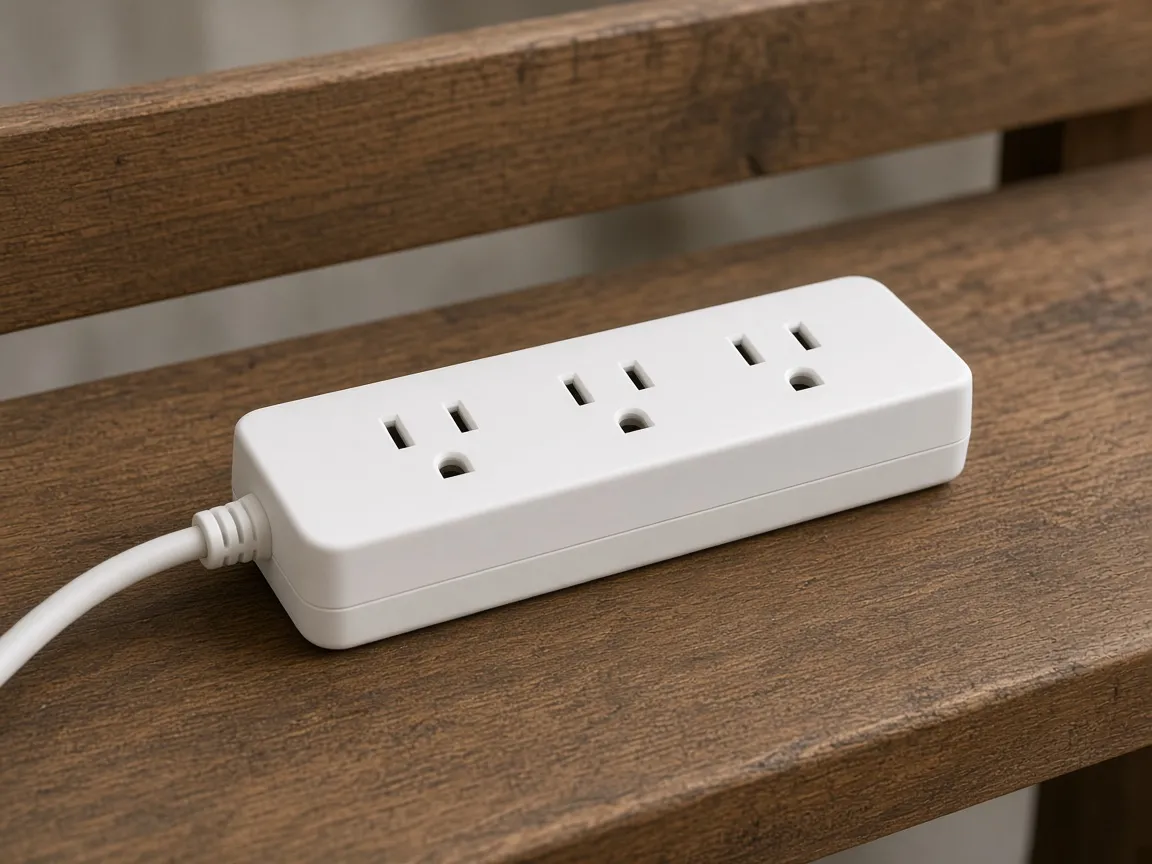
The useful picture is the cord you can see. The protector is in that cord, or it is the strip the cord plugs into.
You can unplug it without opening a cabinet. That is the location the search is asking about.
A transient surge protector attempts to limit the voltage supplied to an electric device by either blocking or shorting current to reduce the voltage below a safe threshold. The event is short. The job is the voltage on that one device, not a weekly schedule and not a breaker trip.
From the field: Jrincayc asked, on the surge-protector talk page, what h-n, h-g, and n-g mean on a three-prong US protector. The question is about a plug-in unit. It is not a question about a rail module.
If your note from the field matches that strip, stay with a strip. If your note is a DIN module in a board, you have left the point of use. The words on the carton do not move the device from the bench to the cabinet.
A single outlet is the plug-in form
A whole-house product is more expensive than simple single-outlet surge protectors and often needs professional installation on the incoming electrical power feed. The single outlet protector is the small form.
It guards what is plugged into it. It does not claim the whole building.
A power strip with several outlets is the same family when the protector is built into the strip. You still install it by plugging it in.
You still lose it when someone unplugs it to borrow the wall opening. That fragility is part of the form, and it is also why people like it.
| Location | What you touch | What it can guard |
|---|---|---|
| Plug or strip | The cord at the machine | The loads on that strip |
| Incoming feed | The service, with an installer | The building feed |
| Cabinet rail | A module on a rail | The circuit that module is wired to |
The rail page is a Class II module
The rail module on the Yijin page is the YJ1-C40. The page calls the experiment Class II. The class ii rail module is that body.
It clips into a cabinet. It does not grow prongs.
The YJ1-C40 page prints a rated voltage Un of 220 V AC at 50 Hz. That line is the system the table is written for.
The talk comment says it is for a 3 prong US 120 V surge protector. Those are different labels. Copy the label that belongs to the body you can hold.
A buyer who only saw the words “surge protection” will mix the two. Ask where the device will sit before you ask for a current rating.
A device that lives in a cord answers the point-of-use search. A device that lives on a rail answers a cabinet search. The same catalog word can cover both, which is why the page title alone is a weak filter.
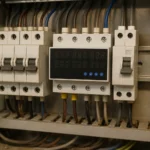
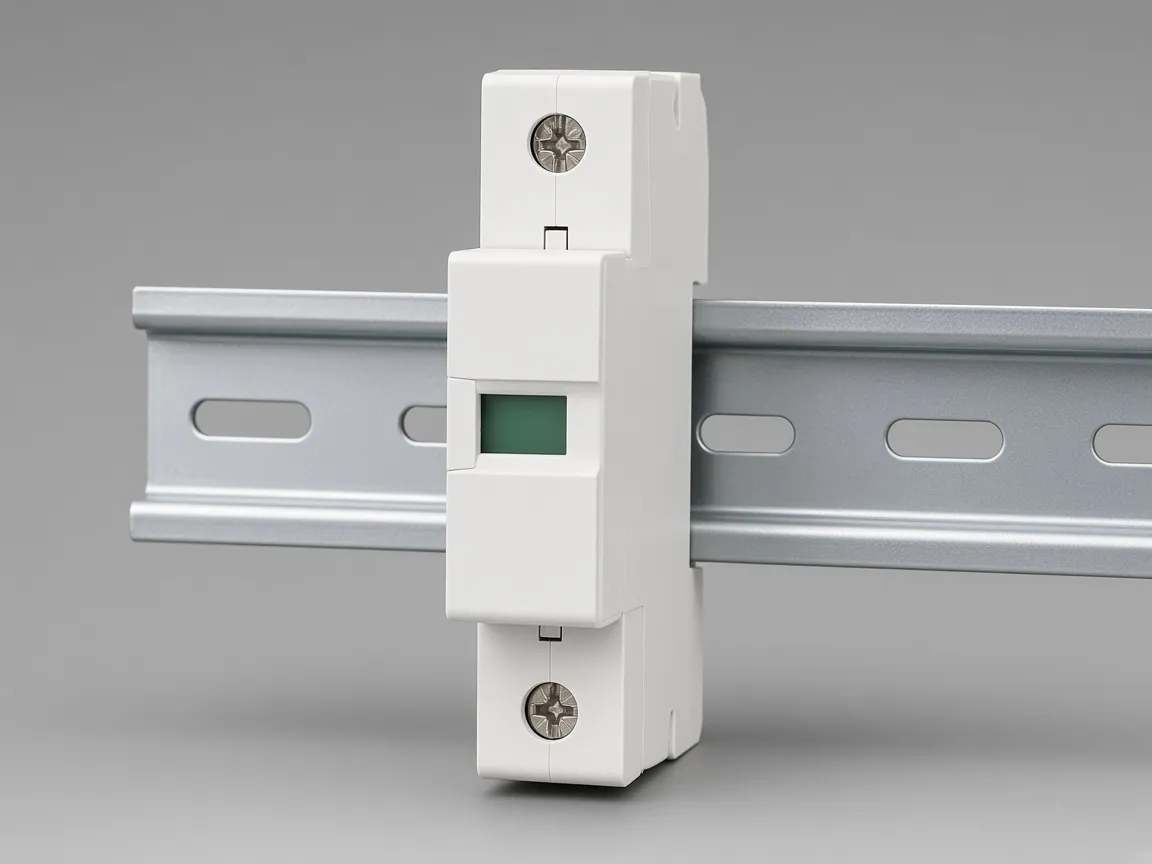
Hold the photo next to the cabinet you have. The module in the Yijin photo has a rail clip and screw terminals. A strip has outlets and a cord.
If the photo and the cabinet disagree, stop and name the location again. People lose a day when they order the clip for a receptacle that never had a rail.
The class name on the page is part of that stop. Class II on this page is the experiment the manufacturer printed. It is a label for the module, and it still needs the voltage cells beside it.
A class word without the table is a slogan. The table is what a second person can check.
The table carries the discharge numbers
Read the parameter table before the feature bullets. The feature line and the table do not use the same waveform note, so the draft stays with the table.
Maximum continuous operating voltage on that page is 385 V AC at 50 Hz from L to N, and 255 V AC at 50 Hz from N to PE. The table prints a nominal discharge current of 20 kA at 8/20 and a maximum discharge current of 40 kA at 8/20. The table prints a voltage protection level of 1.8 kV.
| Table row | What to do with it |
|---|---|
| Rated voltage | Match the system the table names |
| Continuous operating voltage | Read L-N and N-PE as separate cells |
| Discharge current | Use the table waveform, not a looser bullet |
| Protection level | Keep it with the same table |
A quote that mixes the bullet waveform with the table current is harder to check. Ask for the cell you can see. If the cell is garbled, do not invent a cleaner number beside it.
The rail only holds the body
A DIN rail is a metal rail of a standard type widely used for mounting circuit breakers and industrial control equipment inside equipment racks. The rail supports the module.
It is not the plug, and it is not the spike path by itself. Wires still land on the terminals the page shows.
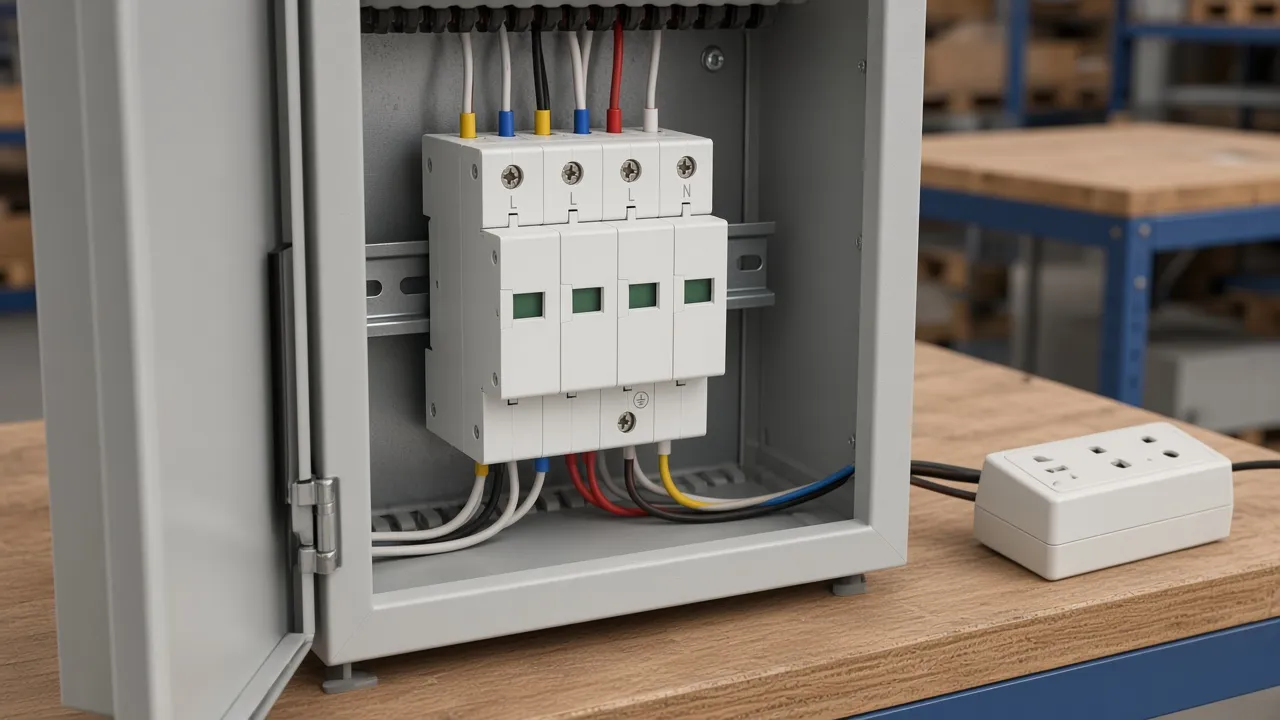
A loose clip is a mounting fault. The module can look installed while the terminals carry the mechanical load. Fix the clip before you judge the protector.
A strip at the machine never had this clip, which is another way the two forms refuse to substitute for each other.
A spike is not an overcurrent trip
A circuit breaker is an electrical safety device that interrupts overcurrent and can be reset, unlike a fuse that must be replaced. Too much current is that job. A short voltage spike is the protector’s job.
They can sit in the same cabinet and still answer different events.
A fuse melts a metal strip and then must be replaced. On the fuse talk page, a commenter warned that a household fuse article is not the whole story of fuses in distribution.
The same caution applies here. A point-of-use strip, a rail module, a breaker, and a fuse are four endings. Naming one does not describe the other three.
A whole-house unit is another location
The whole-house unit sits on the incoming feed. The single-outlet unit sits at the plug. The YJ1-C40 sits on a rail in a cabinet.
Three locations, three buying conversations. If the sentence you need is “protect this one cord,” you are still at the plug. If the sentence is “protect this control circuit in the board,” open the rail page and read the table.
Walk the choice before you add the module to a cart. Say where the device will live. Say whether a person can unplug it.
Then say which voltage label you are matching. A cabinet address plus a plug-in habit is how the wrong body gets ordered.
Write the request in plain words a stores person can follow. Name the machine. Name the plug or the rail.
Name the page you actually opened. If the machine is a bench tool with a cord, the request is a strip. If the machine is a control circuit inside a board, the request is the module and the table.
Mixing those sentences in one line is how the wrong box arrives.
Keep the spike and the overload as two lines on the same note. The protector line names the short voltage event and the location. The breaker line names too much current and a reset.
A fuse line names a part that is finished once it opens. Three lines stop a later reader from treating one device as all three.
If you already own a strip at the machine, leave it there while you read the rail page. The strip answers the cord. The module answers the board.
Owning one does not finish the question about the other. A service call that starts at the cord and ends in the cabinet needs both sentences, or the second person will protect the wrong place.
Look at who can reach the device after it is installed. A strip at a bench can be unplugged by anyone who needs the outlet. A module behind a door needs the person who is allowed to open that door.
That difference changes the spare you keep and the person you call. It does not change the table, and it should be written down before the order.
When the note is finished, read it aloud once. If you hear “plug” and “rail” in the same breath without a reason, split the note.
One breath for the cord. One breath for the cabinet.
The search that started this page is the cord. The product link below is the cabinet, offered only after that split is clear.
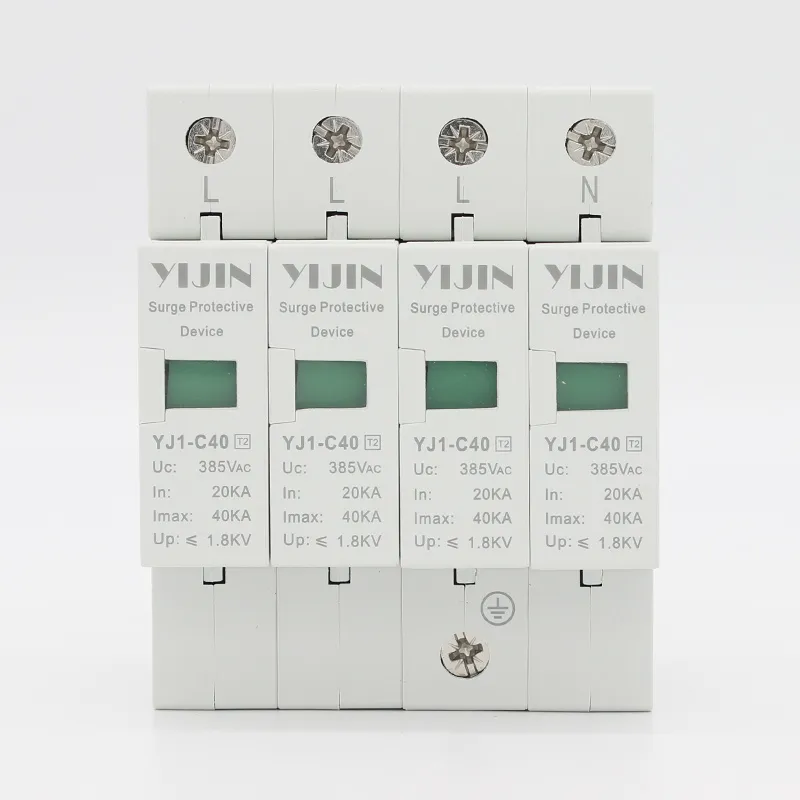
The YJ1-C40 surge protector is the rail page for the cabinet case. The surge hub collects the other surge articles if the question is a service entrance, a type class, or a solar string.
Frequently asked questions
These answers stay with the pages opened for this draft.
What does a point-of-use surge device sit next to?
It sits with the equipment, at the plug or in the strip that plug uses. You can reach it without opening the board.
How is a single-outlet protector different from a whole-house unit?
A whole-house product is more expensive than simple single-outlet surge protectors and often needs professional installation on the incoming electrical power feed. The small unit guards the plug. The large unit guards the feed.
What class does the YJ1-C40 page print?
The page prints a Class II experiment. The body is a rail module. It is the class ii rail module, not the strip in the talk comment.
Which voltages are in that table?
The YJ1-C40 page prints a rated voltage Un of 220 V AC at 50 Hz. Maximum continuous operating voltage on that page is 385 V AC at 50 Hz from L to N, and 255 V AC at 50 Hz from N to PE.
Which discharge currents are in that table?
The table prints a nominal discharge current of 20 kA at 8/20 and a maximum discharge current of 40 kA at 8/20. The table prints a voltage protection level of 1.8 kV.
Why is a breaker a different job?
A circuit breaker is an electrical safety device that interrupts overcurrent and can be reset, unlike a fuse that must be replaced. The protector is for a short voltage spike. The breaker is for too much current.